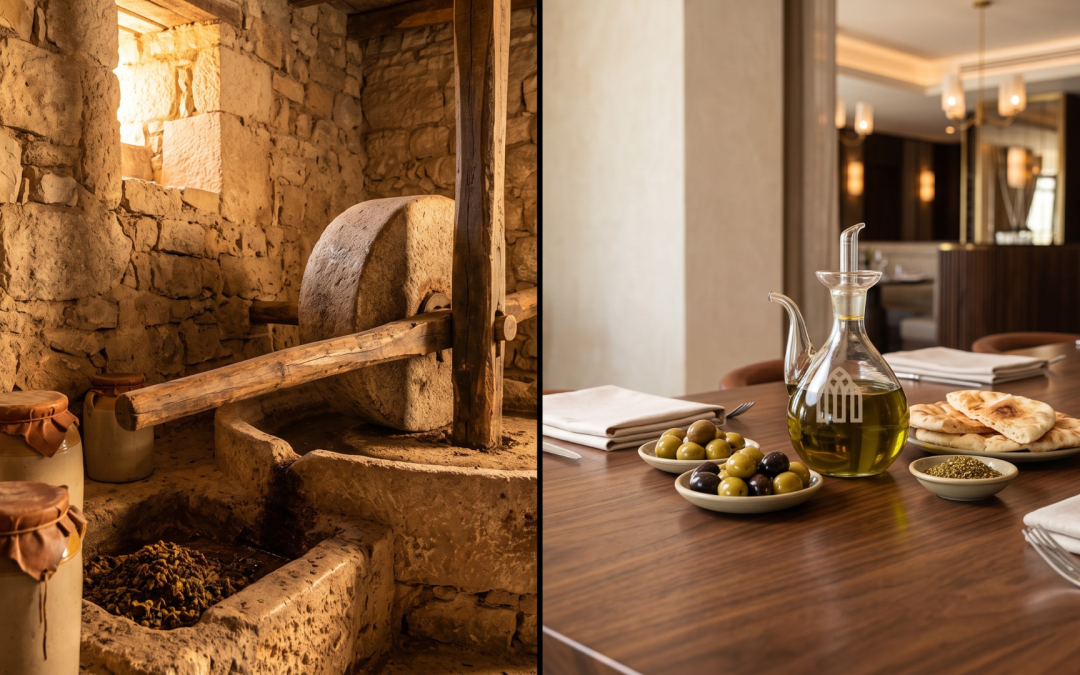
Executive Summary
Lebanese cuisine is a living history book told through flavor. This guide uncovers the ancient Phoenician, Ottoman, and French influences that shaped the Levantine plate, offering readers a deep dive into the culture behind the world’s most vibrant culinary tradition.
Purpose and Scope
This blog uncovers the historical, cultural, and geographic forces that shaped authentic Lebanese cuisine, bridging ancient Levantine traditions with the modern culinary experiences offered at El Gourmet.
Introduction
Food is never just food; it is a map of geography, migration, and survival. When you sit down to a Lebanese meal, you aren’t just eating, you are participating in a multi-thousand-year-old ritual. To truly appreciate these flavors, one must understand the deep roots of Lebanese food culture and history that connect the bustling ancient ports of Byblos to modern family tables in Canada. By balancing fresh ingredients, warm hospitality, and deep-rooted traditions, this cuisine has conquered global palates while remaining fiercely true to its origins.
Ancient Roots: Lebanese Food Culture and History
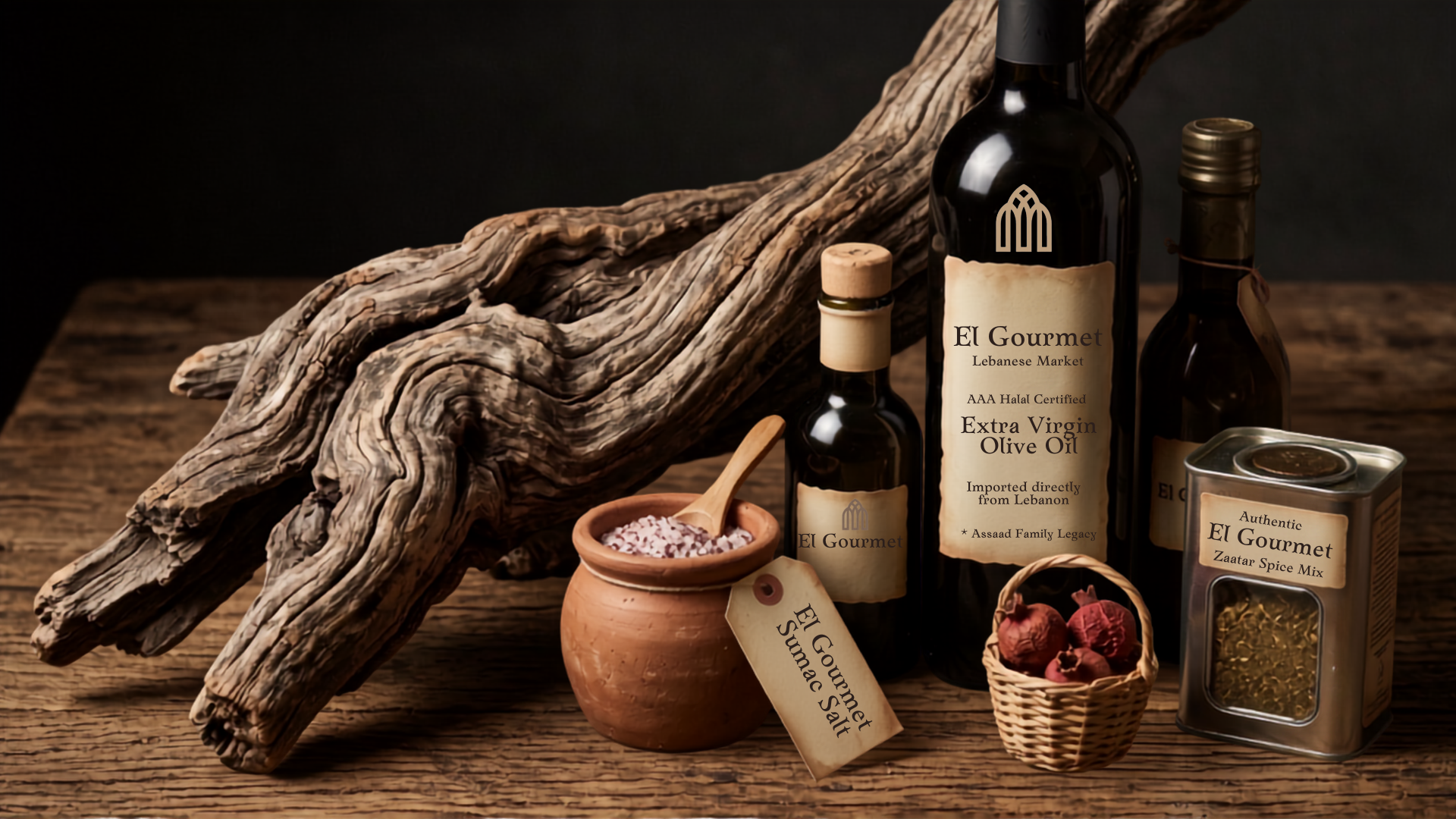
Long before modern borders existed, the Phoenicians seafared across the Mediterranean. They didn’t just trade textiles; they traded agricultural knowledge.
- The Olive Oil Legacy: Lebanon home to some of the oldest olive trees on earth. Olive oil became and remains the foundational fat of the cuisine.
- The Foreign Imprint: This complex geopolitical evolution is central to understanding how the region’s food culture developed its unique profile. Centuries of Ottoman rule introduced slow-cooked meats, stuffed vegetables (Mashi), and complex spicing. Later, the French mandate brought a refined appreciation for pastries, baking techniques, and elegant presentation.
The Anatomy of Flavor: More Than Just Garlic and Lemon
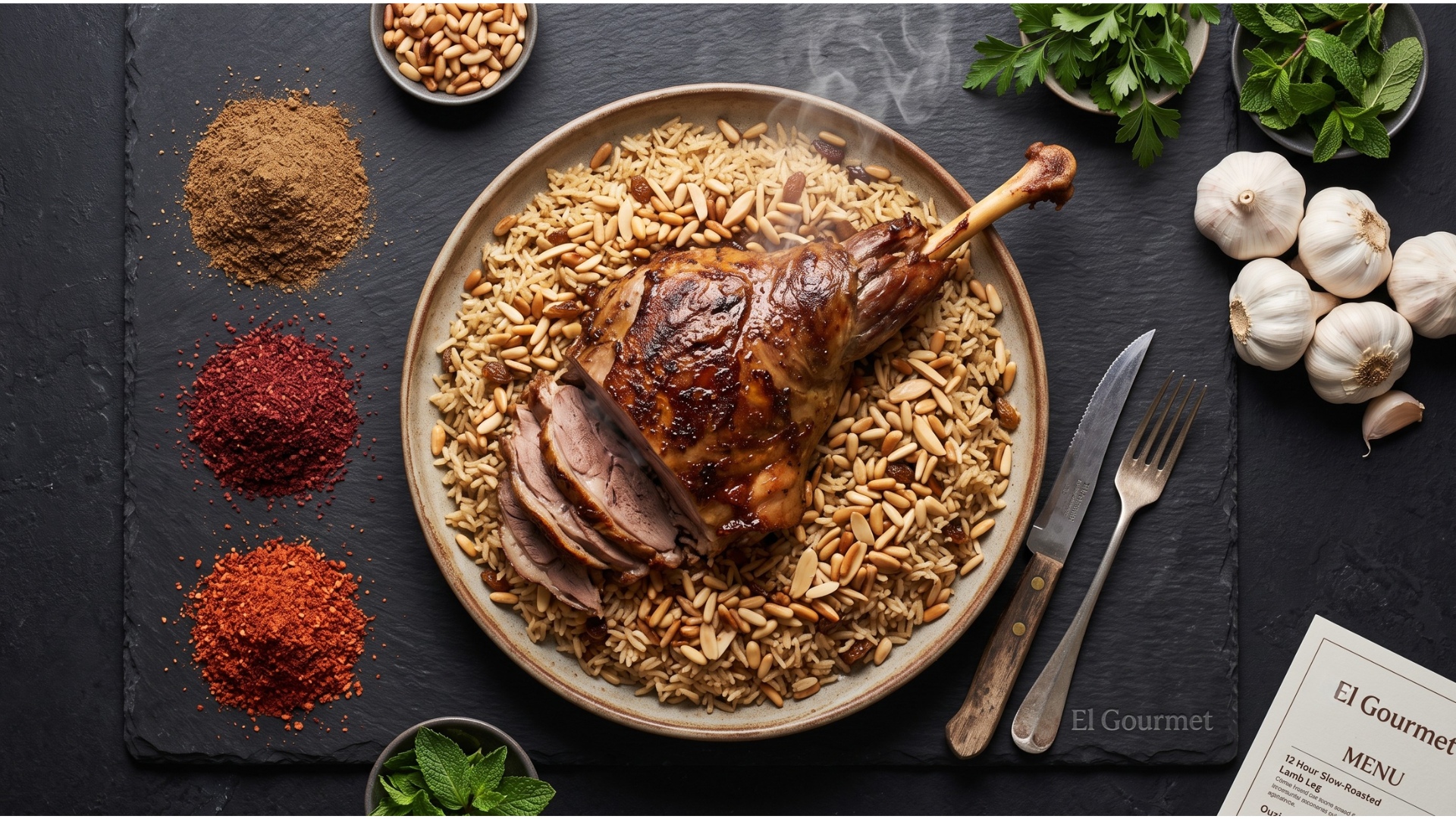
True Lebanese food relies on a precise balance of freshness and acid. It completely avoids heavy creams, choosing instead to leverage natural brightness and aromatic depth.
The Holy Trinity
Garlic (toum), lemon, and mint form the baseline of almost every savory dish, creating a vibrant, sharp profile that cuts through rich meats.
Essential Spices
- Sumac: A deep red spice that brings a tart, fruity acidity to salads and meats.
- Za’atar: A foundational herb blend of wild thyme, toasted sesame seeds, and sumac that acts as a cultural staple.
- The Seven Spices (Sabaa Baharat): A deterministic blend of allspice, black pepper, cinnamon, clove, nutmeg, ginger, and fenugreek that gives Lebanese meats their unmistakable warmth.
Mezze: The Ultimate Expression of Community
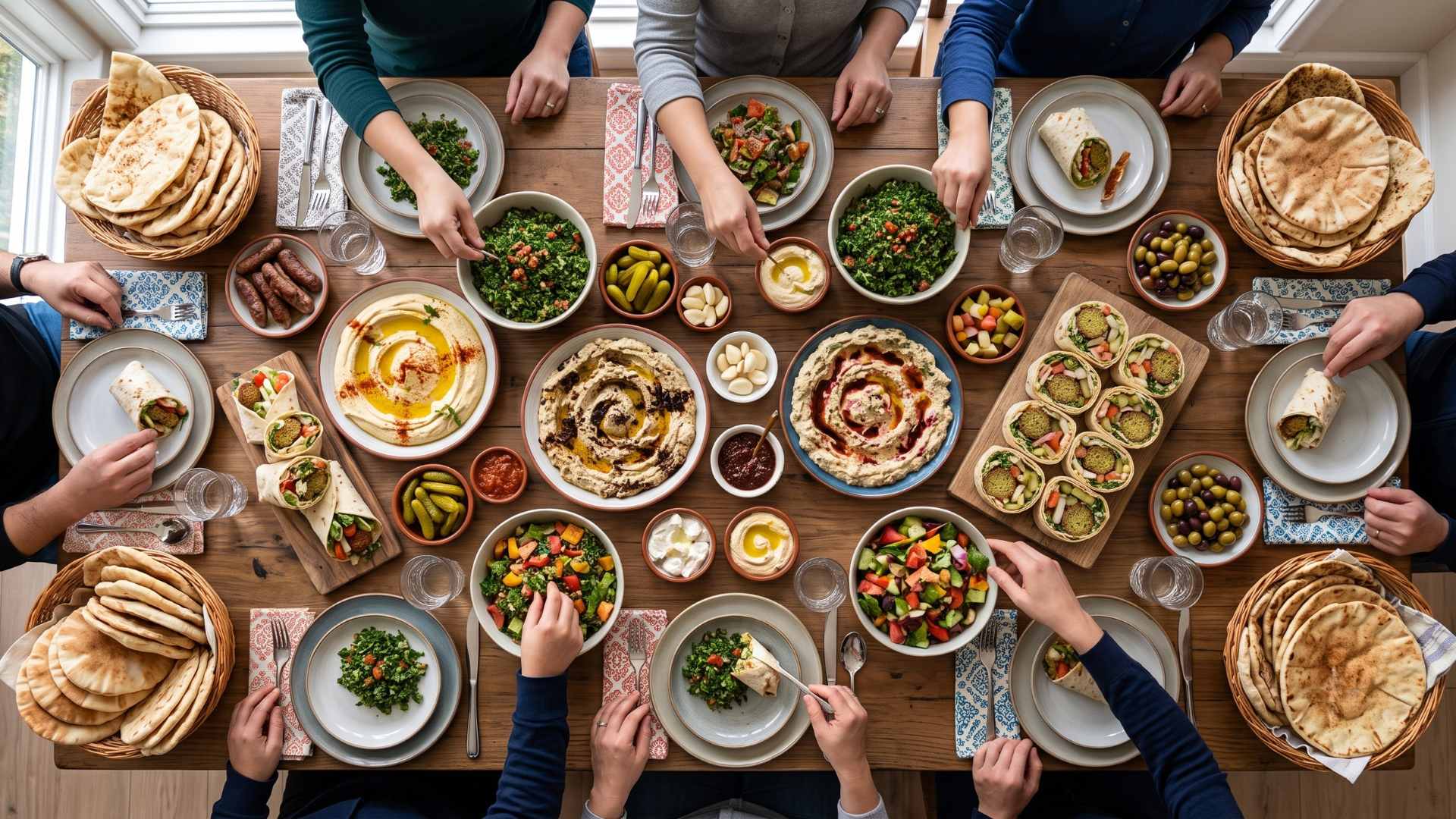
You cannot understand Lebanese food culture without understanding the mezze (or meza). It is not a course, it is an experience.
- Hummus and Tabbouleh: While these have become global names, authentic Lebanese Tabbouleh is fundamentally a parsley salad accented with a tiny amount of bulgur wheat not a heavy grain salad accented with greens.
- The Social Contract: Mezze tables are intentionally designed to prolong the meal. They serve as a mechanism that forces conversation, slow dining, and unyielding hospitality, the core pillar of Lebanese identity.
Conclusion
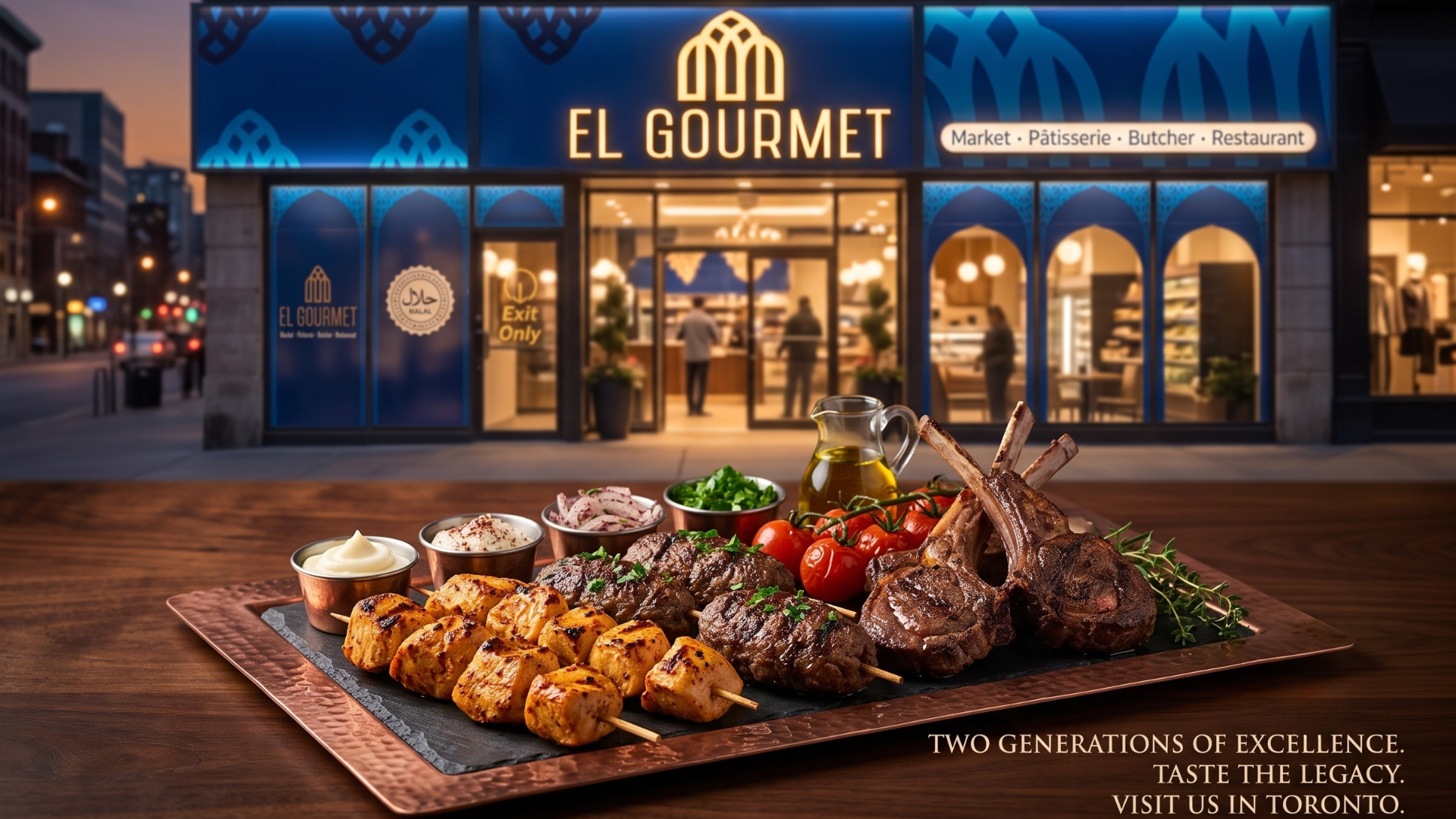
The narrative of Lebanese food culture and history is a story of ultimate resilience. Through centuries of migration and change, the core flavors, the freshness of the herbs, the richness of the olive oil, and the warmth of the hospitality have remained completely unchanged. It’s a tradition you can taste in every single bite.
Ready to experience the authentic depth of Levantine flavors? Explore our diverse Lebanese food menu or learn more about the culinary philosophy at El Gourmet. To experience these historical traditions firsthand, book your table now and bring history to your dinner table tonight.
FAQs
- What makes Lebanese food unique compared to other Mediterranean cuisines?
Lebanese food stands out due to its heavy reliance on fresh herbs, lemon juice, garlic, and olive oil rather than heavy sauces or dried spices. While it shares ingredients like olive oil and chickpeas with other Mediterranean cultures, its unique identity comes from specific flavor profiles like sumac, za’atar, and the traditional Lebanese Seven Spices blend.
- What are the core spices used in authentic Lebanese cooking?
The foundational spices in Lebanese cuisine are Sumac (which provides a tart, lemon-like acidity), Za’atar (a savory blend of wild thyme, toasted sesame seeds, and sumac), and Lebanese Seven Spices (Sabaa Baharat). This classic seven-spice mixture combines allspice, black pepper, cinnamon, cloves, nutmeg, ginger, and fenugreek to give meats their signature warm, aromatic flavor.
- What is a traditional Lebanese Mezze?
A traditional Lebanese mezze (or meza) is an elaborate style of dining featuring an array of small hot and cold dishes served at the start of a meal. More than just appetizers, a mezze is a social experience designed for sharing, typically featuring hummus, tabbouleh, baba ghanoush, pickles, olives, and fresh flatbread.
- What are the historical influences behind Lebanese food culture?
Lebanese cuisine is a culinary map shaped by thousands of years of trade and foreign rule. The ancient Phoenicians established the region’s olive oil and wine culture, while centuries of Ottoman rule introduced slow-cooked meats and stuffed vegetables. Later, the French mandate left a lasting impact on Lebanese baking, pastry techniques, and culinary presentation.
- What is the difference between Lebanese Tabbouleh and Western versions?
Authentic Lebanese Tabbouleh is primarily a parsley salad accented with a very small amount of fine bulgur wheat, tossed with finely chopped mint, tomatoes, onions, olive oil, and fresh lemon juice. Western variations often mistake it for a grain salad, overloading it with couscous or bulgur, which changes the traditional texture and bright flavor entirely.
- Are there many vegetarian options in Lebanese cuisine?
Yes, Lebanese cuisine is inherently highly vegetarian and vegan-friendly. Because of its historic Mediterranean and agricultural roots, many staple dishes rely entirely on legumes, grains, and fresh vegetables. Popular naturally vegan options include hummus, falafel, moujadara (lentils and rice with caramelized onions), baba ghanoush, and fattoush salad.
- Why is hospitality so closely tied to Lebanese food?
In Lebanese culture, food and hospitality are inseparable. Serving a guest an abundant abundance of food is the ultimate sign of respect, generosity, and welcome. Meals are intentionally served family-style over several hours, transforming dining from a basic necessity into a communal celebration of family and connection.
Reference Links
Internal Links
- Lebanese food: https://elgourmet.ca/menu/
- El Gourmet: https://elgourmet.ca/
- Lebanese food menu: https://elgourmet.ca/menu/
- Book your table now: https://elgourmet.bycalibre.ca/location
Trackbacks/Pingbacks